People of the Civil War |
|||||
This huge section of LearnaboutAmerica.com includes articles, activities, interactives, and printables on all of the major battles in the Civil War. The word "MAJOR" after a link indicates the person was as an ESSENTIAL figure of the war. "TC" means the page is a topic center, which contains numerous activities and lesson plans related to the subject. |
|||||
|
|||||
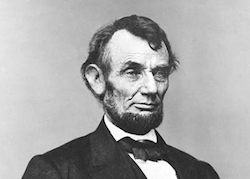 |
Abraham Lincoln TC | MAJOR Abraham Lincoln led the United States through its greatest internal crisis, the Civil War, preserving the Union while transforming the nation by ending slavery. His leadership was marked by determination, empathy, and a commitment to principle, even during the most divisive and difficult times. |
||||
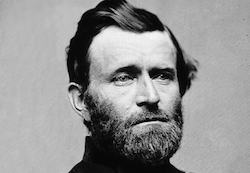 |
Ulysses S. Grant TC | MAJOR Ulysses S. Grant was the leading Union general during the Civil War, known for his aggressive strategy and determination to defeat the Confederacy. His leadership in battles like Vicksburg and the Overland Campaign led to the surrender of Robert E. Lee and the Union’s ultimate victory. |
||||
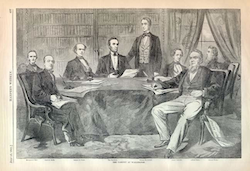 |
Lincoln's Cabinet MAJOR Abraham Lincoln’s cabinet during the Civil War was made up of strong, often opposing personalities, including former political rivals like William Seward and Salmon P. Chase. Despite their differences, Lincoln skillfully united them to help preserve the Union and guide the country through its greatest crisis. |
||||
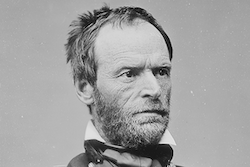 |
William Tecumseh Sherman TC | MAJOR William Tecumseh Sherman was a Union general during the American Civil War, best known for his “March to the Sea,” a devastating campaign through Georgia that aimed to break the South’s will to fight. His use of total war tactics, including the destruction of infrastructure and civilian property, made him both feared and celebrated. |
||||
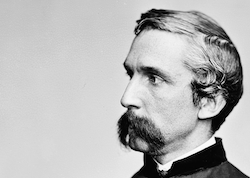 |
Joshua Chamberlain was a Union Army officer and college professor who became famous for leading the 20th Maine Regiment at the Battle of Gettysburg, where his defense of Little Round Top was crucial. After the war, he served as governor of Maine and later as president of Bowdoin College. |
||||
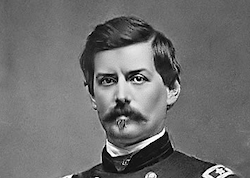 |
George B. McClellan was a Union general during the American Civil War known for organizing and training the Army of the Potomac into a strong fighting force. However, he was criticized for being overly cautious in battle and was eventually removed from command by President Lincoln for failing to aggressively pursue Confederate forces. |
||||
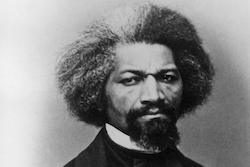 |
Frederick Douglass was a former slave who became one of the most powerful voices for abolition and equality in American history. Through his speeches, writings, and activism, he inspired generations to fight for justice, education, and civil rights. |
||||
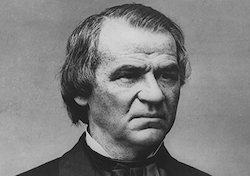 |
Andrew Johnson was the 17th president of the United States, taking office after Abraham Lincoln's assassination in 1865. He led the country through the early years of Reconstruction but clashed with Congress, becoming the first U.S. president to be impeached. |
||||
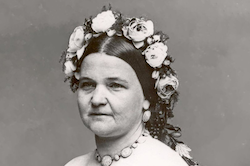 |
Mary Todd Lincoln was the wife of President Abraham Lincoln and served as First Lady during the Civil War. Though often criticized for her spending and emotional struggles, she was a devoted wife and mother who endured great personal tragedy and contributed to the Union cause through hospital visits and support for wounded soldiers. |
||||
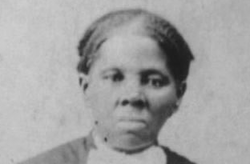 |
Harriet Tubman and the Underground Railroad helped expose the cruelty and injustice of slavery by actively resisting it and guiding enslaved people to freedom. Her actions, and those of others like her, increased tensions between the North and South, as Southern slaveholders saw the loss of their "property" as a direct threat—fueling the growing conflict that led to the Civil War. | ||||
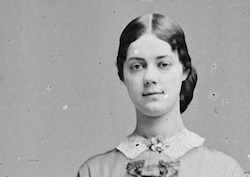 |
Kate Chase - An Original Influencer TC Kate Chase was a powerful political socialite during the Civil War era, known for her beauty, intelligence, and strategic efforts to support her father’s presidential ambitions. Once the most dazzling woman in Washington, her fame eventually faded, and she spent her later years in poverty. |
||||
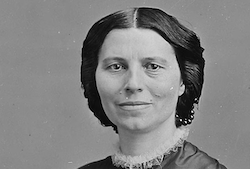 |
Clara Barton - Angel of the Battlefield Clara Barton was a pioneering nurse and humanitarian who founded the American Red Cross. Known as the “Angel of the Battlefield,” she provided critical medical supplies and support to soldiers during the Civil War. |
||||
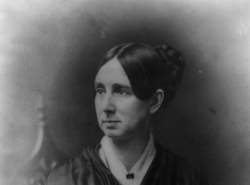 |
Dorothea Dix was a 19th-century reformer who worked to improve treatment for people with mental illness and helped create dozens of hospitals across the United States. During the Civil War, she served as Superintendent of Union Army Nurses, organizing care for wounded soldiers on both sides. |
||||
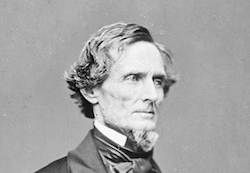 |
Jefferson Davis TC | MAJOR Jefferson Davis served as the only president of the Confederate States during the Civil War, where his leadership was marked by a strong commitment to states' rights and the Confederate cause. However, his rigid strategies, poor delegation, and inability to effectively manage his generals contributed to the South’s defeat. |
||||
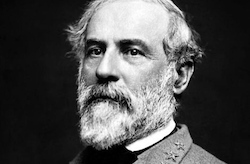 |
Robert E. Lee TC | MAJOR Robert E. Lee was the commanding general of the Confederate Army during the Civil War, best known for leading the Army of Northern Virginia. Although he won several major battles, his aggressive tactics at Gettysburg and eventual surrender at Appomattox marked the decline and defeat of the Confederacy. |
||||
 |
Stonewall Jackson TC | MAJOR Thomas "Stonewall" Jackson was a Confederate general known for his fearless tactics and firm leadership during the American Civil War. He earned his famous nickname at the First Battle of Bull Run and became one of General Robert E. Lee's most trusted commanders before his accidental death in 1863. |
||||
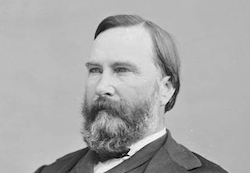 |
James Longstreet TC | MAJOR James Longstreet was a senior Confederate general during the Civil War, widely respected for his strategic mind and battlefield leadership. Nicknamed "Old War Horse" by Robert E. Lee, Longstreet is best known for his opposition to Lee’s disastrous order of Pickett’s Charge at Gettysburg—a moment where history proved Longstreet’s caution correct. |
||||
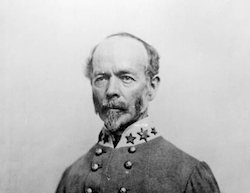 |
Joseph Johnston was a senior Confederate general known for his cautious approach to battle and leadership in key campaigns such as the First Battle of Bull Run and the Peninsula Campaign. Although often at odds with President Jefferson Davis, Johnston led one of the last major Confederate armies and ultimately surrendered to Union General William Sherman in 1865. |
||||
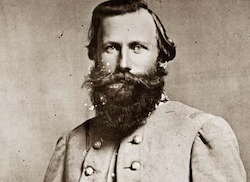 |
J.E.B. Stuart - The Eyes of the Confederacy J.E.B. Stuart was a Confederate cavalry commander known for his daring raids and reconnaissance missions that provided crucial intelligence to General Robert E. Lee. His absence during the early days of the Battle of Gettysburg, however, has been criticized for leaving Lee unaware of Union positions. |
||||
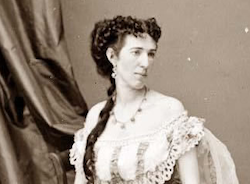 |
Belle Boyd TC Belle Boyd was a young Confederate spy known for her daring actions during the Civil War, including smuggling information to General Stonewall Jackson. Nicknamed the “Cleopatra of the Secession,” she used charm and courage to support the Southern cause and later became an author and actress. |
||||
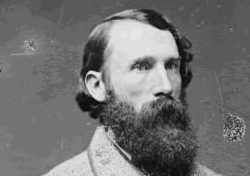 |
A.P. Hill was a Confederate general known for his bravery, emotional intensity, and leadership of the renowned “Light Division” during key battles like Antietam, Fredericksburg, and Gettysburg. Despite recurring illnesses, he rose to the rank of lieutenant general and was killed just days before the Confederate surrender at Appomattox. |
||||
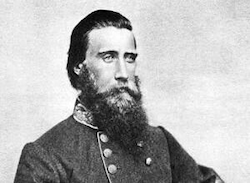 |
John Bell Hood was a bold and aggressive Confederate general who rose quickly through the ranks but suffered devastating defeats due to risky battlefield tactics. Despite early success, his leadership failures at Atlanta, Franklin, and Nashville significantly contributed to the downfall of the Confederate Army of Tennessee. |
||||