The Battle of Antietam (Sharpsburg) - MD |
||||||
|
||||||
The LiberatorsThe Battle of Antietam occurred on September 17, 1862, in Sharpsburg Maryland. The battle was named after a creek in the region. It was the bloodiest one-day battle in American history. As Robert E. Lee and his Army of Northern Virginia attempted to assert the will of the Confederacy in the North, they were followed by Union General George B. McClellan and the Army of the Potomac into Maryland. Lee, believing the majority of Marylanders were being held in the Union against their will, thought he and his army would be regarded as heroes or liberators as he entered the border state. In reality, however, the sentiments of western Marylanders had turned toward the Union, and Lee's Army was regarded with suspicion. Serendipity WastedBefore the battle began, Union forces had serendipitously found a copy of Lee's battle plan wrapped around three cigars. The plans indicated that Lee had divided his army and sent brigades to Harper's Ferry, Virginia, and Hagerstown, Maryland. This allowed for Union forces to attack each brigade in isolation, but General McClellan failed to act quickly enough and the opportunity was lost. McClellan's Indecision is CostlyOn September 15, General Robert E. Lee positioned his army of 18,000 in a defensive position behind Antietam Creek in the town of Sharpsburg. McClellan's Army arrived in town the same night with over four times the number of soldiers as Lee’s Army. McClellan, however, overestimated the strength of the Confederates, causing him to delay an attack. During the delay, Lee was reinforced by the corps of General Longstreet and Jackson. Control of the High Ground near the Dunker Church
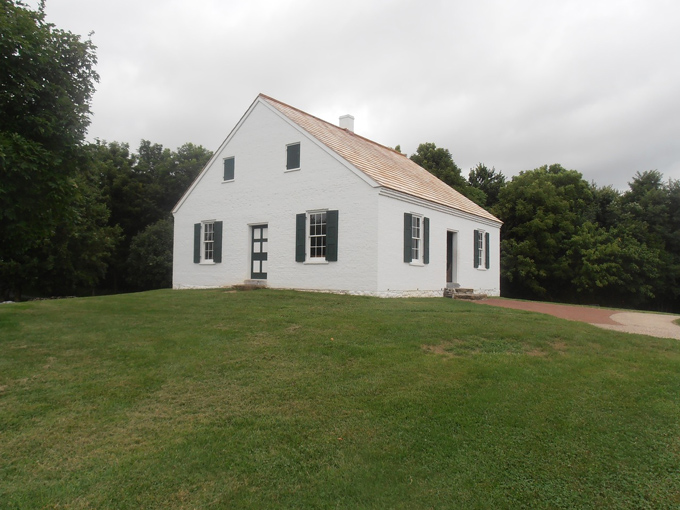
On the morning of September 17th, General McClellan ordered General Joseph Hooker to attack the Confederate left flank for the purposes of occupying the high ground near the Dunker Church. A vicious and violent battle ensued in the cornfield adjacent to the church featuring bayonet charges, hand-to-hand combat, and gun battles at close range. Hundreds of soldiers were killed in this initial combat, and neither side had gained a clear advantage. One brigade, known as the Louisiana Tiger Brigade lost 323 out of 500 men when they were isolated. Hooker’s brigade lost 2,500 men in a matter of two hours and historians believe the cornfield at the Antietam Battlefield changed hands at least fifteen times during the morning and afternoon. By the end of the morning, casualties for both sides numbered over 13,000. Bloody Lane
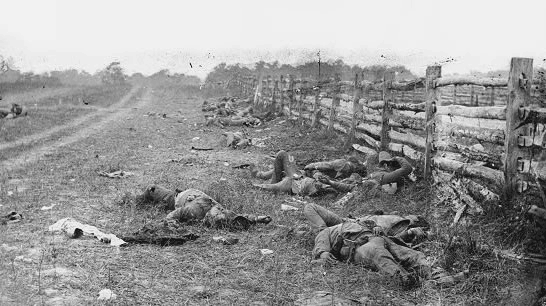
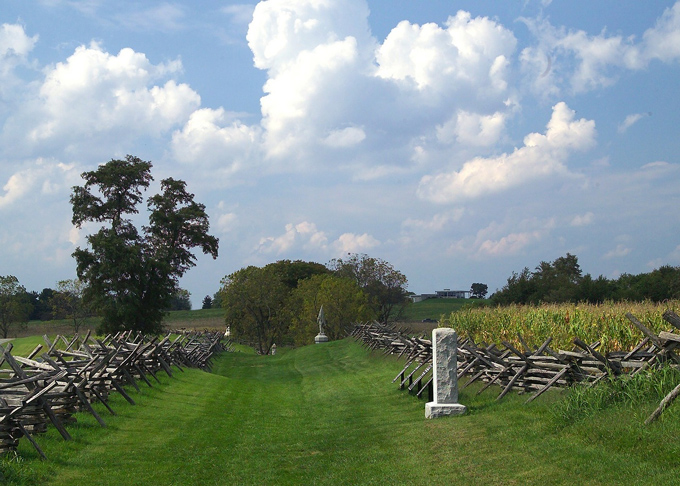
In the afternoon, Union forces struck the center of the Confederate line in an attempt to divert some of their forces from a patch of forest known as the West Woods. Confederate forces were in a good defensive position atop a hill in an old, sunken road. From the Sunken Road, Confederate forces fired withering rounds into the Union brigades, inflicting terrible casualties. Union forces eventually exploited a weakness in the Confederate defenses and began to break through. Amidst growing confusion, the Confederates along the Sunken Road fled toward Sharpsburg. Union forces, however, were violently driven back during their pursuit by Longstreet's Brigade. All told, over 5,600 total casualties were recorded along the Sunken Road, which would eventually be called Bloody Lane. Burnside's Bridge and the Confederate Retreat
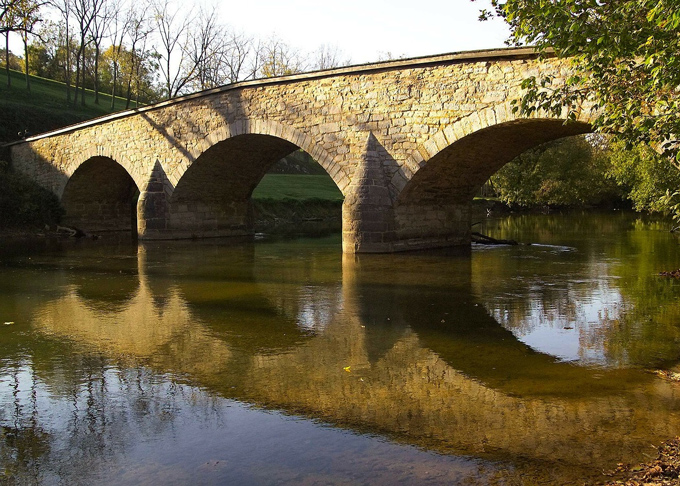
Toward the later afternoon, the battle moved to the southern end of the battlefield, particularly for control of a bridge spanning Antietam Creek that would come to be known as Burnside's Bridge. Union Major General Ambrose Burnside ordered his soldiers to storm the bridge, where they took heavy fire from Confederate gunners. It took three separate attempts before Union soldiers successfully crossed. While Burnside's men crossed the narrow bridge with their artillery and wagons, General Robert E. Lee took the time to reinforce the right flank of his army. Numerous assaults and repulsions marked the remainder of the afternoon. By 5:30 p.m., it was clear there would be no winner. In total, the two sides suffered almost 23,000 casualties, making it the single bloodiest day in American military history. Although Lee expected another Union assault on the 18th, it never came, and an informal truce was established so each side could collect and tend to the injured and dead. On the night of the 18th, Confederate forces left Sharpsburg, crossing the Potomac River back to Virginia. A Devastating Turn of Events for Robert E. LeeDespite the fact that neither army was victorious, Union soldiers paraded through the streets of Frederick, Maryland, after the battle. The Confederate foray into Northern territory ultimately proved unsuccessful, delivering a crushing blow to its hope for foreign recognition. President Lincoln, meanwhile, saw Antietam as enough of a Northern victory to have the confidence to issue the Emancipation Proclamation five days after the battle. This landmark proclamation freed all slaves in “enemy territory” and ensured that slavery would cease to exist if the North were to win the war.
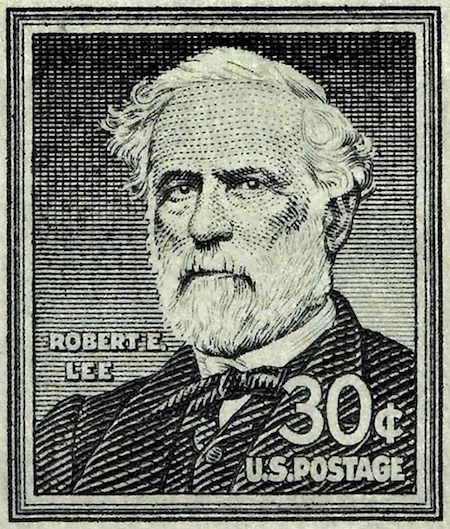
Confederate General Lee Discussion Questions
The LiberatorsThe Battle of Antietam happened on September 17, 1862, in Sharpsburg, Maryland, and was named after a nearby creek. As Confederate General Robert E. Lee led his army into the North, he hoped Marylanders would see his troops as liberators, but most people in western Maryland supported the Union and viewed Lee’s army with suspicion.A Missed OpportunityBefore the battle, Union soldiers found Lee’s battle plans wrapped around cigars. These plans revealed that Lee had divided his army, giving the Union a chance to attack. But Union General McClellan waited too long, and the opportunity was lost.McClellan HesitatesLee set up defenses near Antietam Creek with only 18,000 men. McClellan arrived with four times as many troops but wrongly believed Lee's army was larger and delayed attacking. This gave Lee time to get reinforcements from Generals Longstreet and Jackson.Fighting Near the Dunker ChurchOn the morning of September 17, Union General Hooker attacked the Confederate left near the Dunker Church. Intense combat broke out in a cornfield nearby, with bayonets and hand-to-hand fighting. Hooker lost 2,500 men in two hours, and the field changed hands many times. By late morning, over 13,000 soldiers had been killed or wounded.The Bloody LaneIn the afternoon, Union forces attacked the Confederate center at a sunken road. Confederates fired from a strong position, but eventually Union soldiers broke through. Confusion forced Confederate troops to flee, but Union forces were pushed back again. The road earned the name “Bloody Lane” after 5,600 casualties were recorded there.Burnside’s BridgeLater in the day, Union General Burnside tried to take a narrow bridge over Antietam Creek. After three tries, Union forces crossed but were slowed down, giving Lee time to defend his right side. By evening, no clear winner had emerged, and over 23,000 casualties made it the bloodiest day in U.S. history. Lee retreated back to Virginia the next night.The AftermathEven though the battle had no clear winner, it was a turning point. The South’s invasion of the North failed, and President Lincoln used the moment to issue the Emancipation Proclamation, which declared that slaves in Confederate states would be freed if the Union won the war. |
||||||
| Antietam Activities | ||||||
|