Radical vs Moderate Abolitionists |
In the Civil War-era, the abolitionist movement emerged as a powerful force advocating for the emancipation of enslaved people and the eradication of slavery. Within this movement, two distinct factions emerged: abolitionists and radical abolitionists. While both shared the common goal of ending slavery, they differed in their approaches, tactics, and ideologies. Moderate Abolitionists
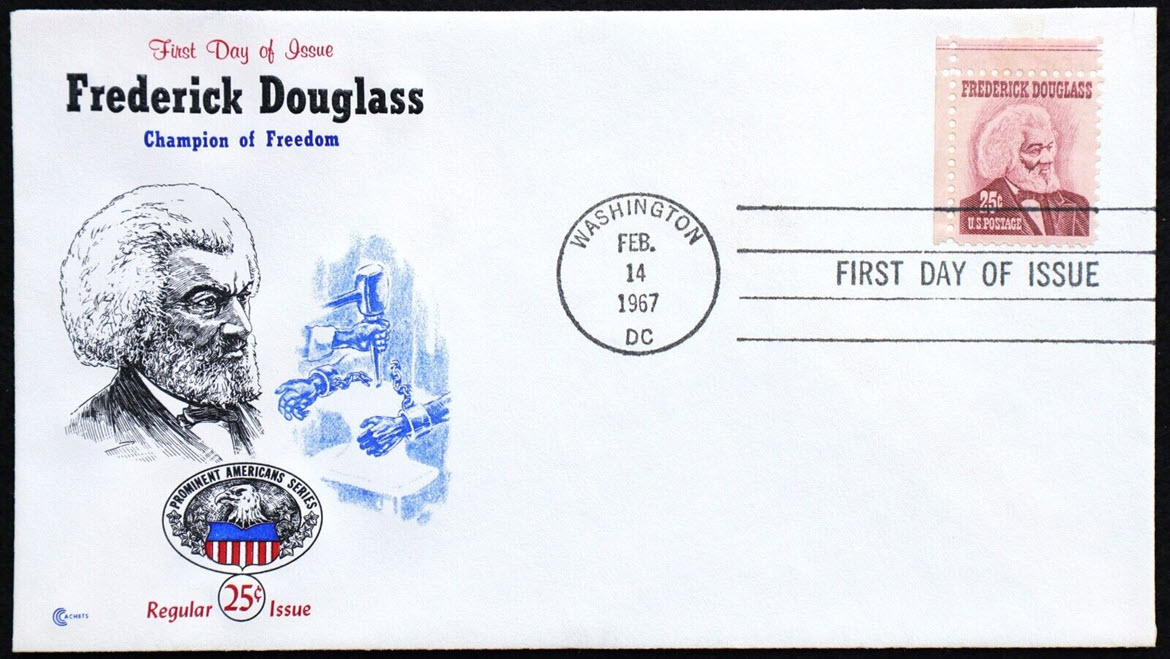
United States postage stamp and first day cover honoring Frederick Douglass Abolitionists, often referred to as "moderate" abolitionists believed in working within the existing political system to achieve gradual emancipation and reform. Prominent abolitionists such as William Lloyd Garrison, Frederick Douglass, and Harriet Beecher Stowe advocated for the abolition of slavery through moral persuasion, education, and legislative action. They utilized newspapers, pamphlets, and public lectures to raise awareness about the horrors of slavery and mobilize public opinion against it. Radical Abolitionists
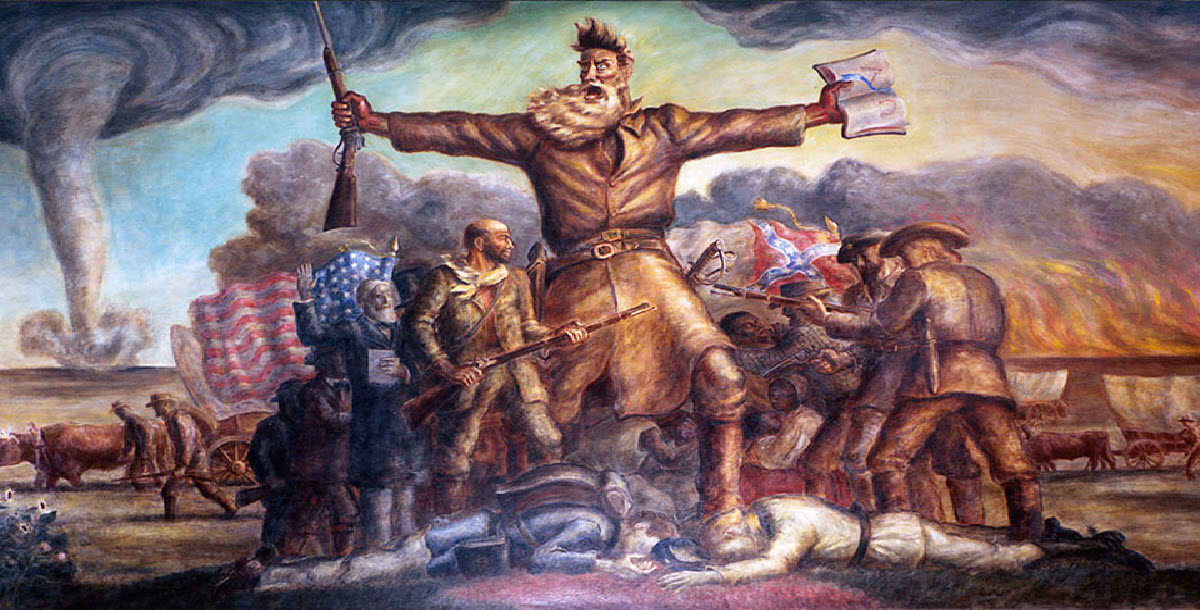
Depiction of radical abolitionist John Brown In contrast, radical abolitionists rejected the gradual approach and political compromise, advocating for immediate and unconditional emancipation without compensation to slaveholders. They viewed slavery as a moral abomination and believed that it must be eradicated by any means necessary. Radical abolitionists such as John Brown, David Walker, and Wendell Phillips were outspoken critics of the political establishment and the Constitution, which they viewed as complicit in perpetuating slavery. They called for direct action, including armed resistance, civil disobedience, and even violent insurrection, to overthrow the institution of slavery. Discussion Questions
Introduction to the Abolitionist MovementDuring the Civil War era, the abolitionist movement worked to end slavery in the United States. While everyone in the movement wanted to free enslaved people, there were two main groups with different ideas about how to do it.Moderate AbolitionistsModerate abolitionists believed in ending slavery slowly by working within the political system. Leaders like William Lloyd Garrison, Frederick Douglass, and Harriet Beecher Stowe used books, newspapers, and speeches to show how wrong slavery was and to convince others to support their cause.Radical AbolitionistsRadical abolitionists wanted to end slavery right away and without paying slave owners. They believed slavery was so evil that it had to be stopped by any means, including violence. People like John Brown, David Walker, and Wendell Phillips believed the government helped keep slavery going and needed to be challenged directly. |