Winter at Fort Mandan

Fort Mandan

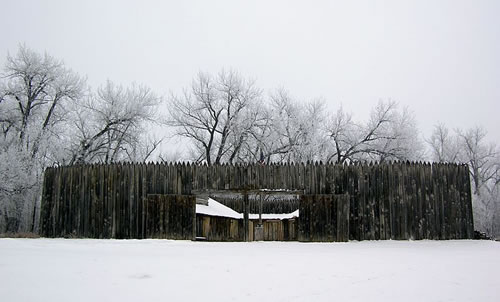
Fort Mandan Replica in North Dakota

By Gooseterrain2 (Own work) [CC BY-SA 3.0 (http://creativecommons.org/licenses/by-sa/3.0)], via Wikimedia Commons

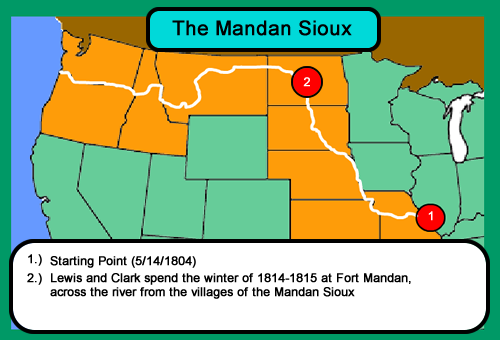
Following the tensions in Teton territory, the Corps traveled northwest along the Missouri River. On October 24, 1804, the Corps reached the villages of the Mandan Sioux near present-day Bismarck, North Dakota called Mitutanka and Nuptadi. It was here, across the river from Mitutanka that the Corps decided to set up winter camp ahead of the icing of the Missouri River, which they called Fort Mandan. Ice on the river would become so thick during the Dakota winter, that herds of buffalo could safely cross. In addition, temperatures during the Dakota winter could drop to -45 Fahrenheit, which caused several members of the expedition to develop frostbite. 

Fort Mandan was constructed of cottonwood lumber cut from the banks of the river. Triangular in shape, the fort was built with high walls, open spaces between buildings, and with a gate facing the river. On the return trip, the expedition found that Fort Mandan had been burned to the ground. 

The Mandans were familiar with European traders who had visited the region to trade for Mandan corn for generations. The Mandan Sioux, however, were not used to seeing African-Americans and were mesmerized by Meriwether Lewis' African-American slave York, whom they believed had great spiritual powers. 

The Corps quickly established peaceful relations with the Mandans and also attempted to broker peace between the Mandans and the Arikaras, who lived nearby. The Mandan Sioux provided the Corps with food throughout the bitter winter in exchange for trade goods such as metal objects, pots, and other trinkets.

It was during the winter of 1804-1805, that Lewis and Clark hired French-Canadian fur trapper Toussaint Charbonneau and his Shoshone wife, Sacagawea, to translate for them as they turned west toward the mountains.  On February 11, Sacagawea gave birth to a son named Jean Baptiste who would travel with the expedition on his mother's back. To this point, communication with local natives had been difficult at best and at worst had threatened the entire expedition.

During the winter, Lewis and Clark spent much of their time writing in their journals and documenting the flora and fauna they had observed or collected. 108 plant specimens and 68 mineral specimens were sent via keelboat to St. Louis, Missouri, where they'd next be delivered to Thomas Jefferson, who waited eagerly for such deliveries. 

In the spring, when the torrential rains and warming temperatures melted the ice on the river, the Corps bade their Mandan hosts farewell and continued the journey along the Missouri. 

Lewis and Clark meet the Teton Sioux


Did You Know?


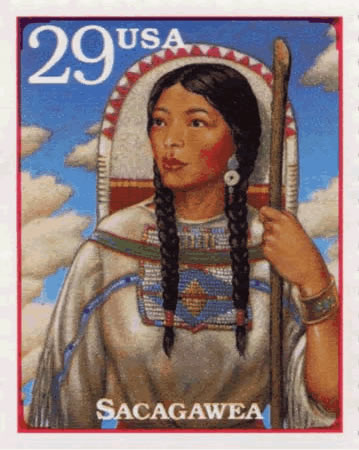
Despite the fact that Sacagawea is portrayed on U.S. coins and postage stamps, no drawings, sketches, or portraits of her are known to exist. Any depiction of her is purely a guess.

Back | NEXT: Grizzly Country

Discussion Questions

  1. Why did Lewis and Clark decide to build Fort Mandan near the Mandan villages?
  2. How did Sacagawea and her family help the expedition?
  3. What made York unique in the eyes of the Mandan people?
  4. Why was it important for the Corps to send plant and mineral samples to President Jefferson?

Back | NEXT: Grizzly Country

Arrival at the Mandan Villages

On October 24, 1804, the Corps of Discovery reached the Mandan Sioux villages near present-day Bismarck, North Dakota. These villages were called Mitutanka and Nuptadi. Since winter was near and the Missouri River would soon freeze, the Corps decided to build their winter camp across the river. They named it Fort Mandan. The ice grew so thick that even buffalo could walk across it, and the freezing temperatures caused frostbite among the men.

Building Fort Mandan

Fort Mandan was made from cottonwood trees cut from the riverbanks. The fort was triangular in shape with tall walls, open areas between the buildings, and a gate facing the Missouri River. When Lewis and Clark returned later, they found that Fort Mandan had been destroyed by fire.

Meeting the Mandan Sioux

The Mandans were used to seeing European traders, but they were fascinated by York, Meriwether Lewis’ African-American servant, believing he had special spiritual powers. The Corps built good relationships with the Mandans and even tried to help make peace between the Mandans and the nearby Arikara tribe. The Mandans gave the Corps food in exchange for trade goods like metal tools and pots.

Sacagawea Joins the Expedition

During the winter, Lewis and Clark hired Toussaint Charbonneau, a French-Canadian trapper, and his Shoshone wife, Sacagawea, to help with translation. On February 11, 1805, Sacagawea gave birth to her son, Jean Baptiste, who would travel with them. Before this, it had been hard to communicate with Native groups, which sometimes made the journey dangerous.

Scientific Work

While staying at Fort Mandan, Lewis and Clark wrote in their journals and collected plant and mineral samples. They sent 108 plants and 68 minerals down the river to President Jefferson, who was eager to learn about the new land.

Continuing the Journey

In the spring, when the snow melted and the river thawed, the Corps said goodbye to the Mandan people and continued their journey west along the Missouri River.

Did You Know?

Even though Sacagawea is shown on U.S. coins and stamps, there are no known drawings or portraits of her. All modern images are based on guesses.

Back | NEXT: Grizzly Country