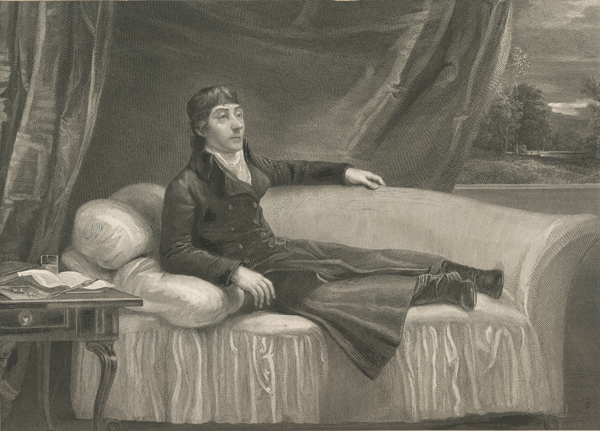
The Conway Cabal

Thomas Conway - Conway Cabal

Introduction

The Conway Cabal was the only major political threat to George Washington during the Revolutionary War. The “cabal,” or secret political group, consisted of several senior military officers who aimed to supplant George Washington as Commander-in-Chief. Thomas Conway, for whom the group is name, wrote several letters to the Second Continental Congress and others criticizing George Washington.

The Case Against Washington

In late 1776 and 1777, the Continental Army had experienced a series of significant setbacks, first in disastrous battles in and around New York City, and later at Brandywine Creek and Germantown near Philadelphia. Following the Battle of Brandywine Creek, British forces occupied Philadelphia, causing Congress to flee west to York, Pennsylvania. As Washington took up winter quarters with the Continental Army at Valley Forge, and as conditions there deteriorated for the army, some members of Congress began questioning whether Washington was fit for Commander-in-Chief. Some pointed to Horatio Gates, who took credit for the Patriot victory at Saratoga, as a possible replacement.

Collusion Between Conway and Horatio Gates

Thomas Conway, who served as the army’s inspector general at the time, and who served under Washington in the Philadelphia campaign, wrote a letter to Congress criticizing Washington and lobbying for this own promotion. Washington opposed the promotion of the Irish-born Conway, whom he considered arrogant. He also thought Conway’s promotion would anger those within his ranks that had served longer. In addition, Conway wrote a letter to Horatio Gates that alluded to Washington as a poor general and that it would be better served with Gates in charge. Washington received word of the letter, which caused him to believe his subordinate generals were seeking to supplant him. Washington became so famously annoyed by the sniping and letters that he threatened to resign from the army if it continued. Much to Washington’s chagrin, Congress would actually promote both Conway and Gates to the Board of War. Gates was named president of the Board of War and Washington’s relationship with both men took turns for the worse.

Washington Wins in the End

Eventually, however, because most of Washington’s contemporaries fully supported him, Congress reluctantly was forced to give full public support for Washington, short-circuiting any plots to remove Washington from command.

In the end, Conway resigned from the army and was later injured in a duel by a Washington supporter. Horatio Gates remained in the army, but his reputation was permanently marred. Gates would nearly be charged with cowardice after the Battle of Camden, which effectively ended his military career.

The Conway Cabal was the biggest political threat to George Washington during the Revolutionary War. This secret group included high-ranking military officers who wanted to replace Washington as Commander-in-Chief. The group is named after Thomas Conway, who wrote letters criticizing Washington to Congress and others.

The Case Against Washington

In late 1776 and 1777, the Continental Army lost several key battles, including those in New York, Brandywine Creek, and Germantown. After the British took Philadelphia, Congress fled to York, Pennsylvania. As the army suffered during the winter at Valley Forge, some members of Congress began to question if Washington was the right person to lead. Some even suggested Horatio Gates, who claimed victory at Saratoga, should replace him.

Conway and Gates Work Together

Thomas Conway, then the army’s inspector general, served under Washington and wrote to Congress criticizing him while asking for a promotion. Washington didn’t support Conway’s promotion, believing he was arrogant and that others had served longer. Conway also sent a letter to Gates suggesting Washington was a weak general and that Gates should take over. When Washington heard about this, he felt betrayed and considered quitting if the plotting continued. Despite this, Congress promoted both Conway and Gates to the Board of War, upsetting Washington even more.

Washington Stays in Command

In the end, most leaders still supported Washington. Congress had no choice but to back him publicly, stopping the attempt to remove him from power.

What Happened to Conway and Gates?

Conway eventually resigned and was wounded in a duel by someone who supported Washington. Gates stayed in the army, but his reputation suffered badly, especially after his failure at the Battle of Camden, which ended his military career.

Conway Cabal Activities