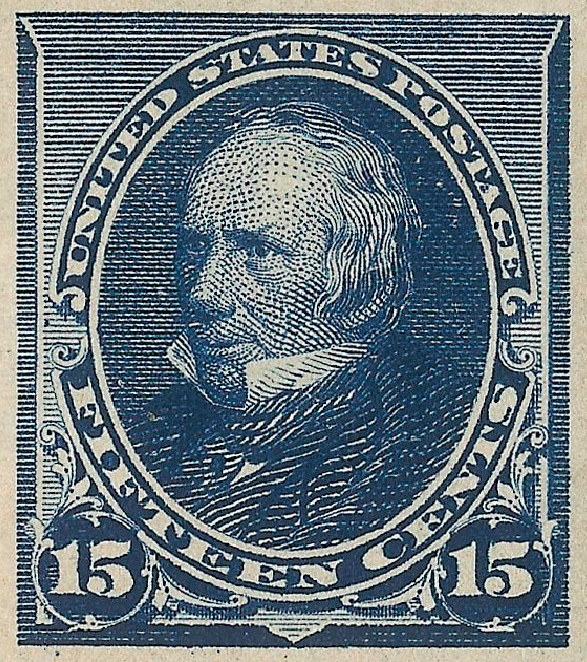
Henry Clay |
|
Henry Clay was born on April 12, 1777, in Hanover County, Virginia. He came from modest beginnings and studied law under the famous legal scholar George Wythe. Clay moved to Lexington, Kentucky, where he established a successful law practice and quickly became involved in local politics. His skill as a speaker and negotiator helped him rise rapidly in political circles. Political Career and the "Great Compromiser"Henry Clay served in various important government roles throughout his career. He was elected to the U.S. House of Representatives and served as Speaker of the House multiple times. He later served as a U.S. Senator and Secretary of State under President John Quincy Adams. Clay was known as the "Great Compromiser" for his role in brokering key agreements like the Missouri Compromise of 1820 and the Compromise of 1850, both of which aimed to ease tensions between free and slave states.
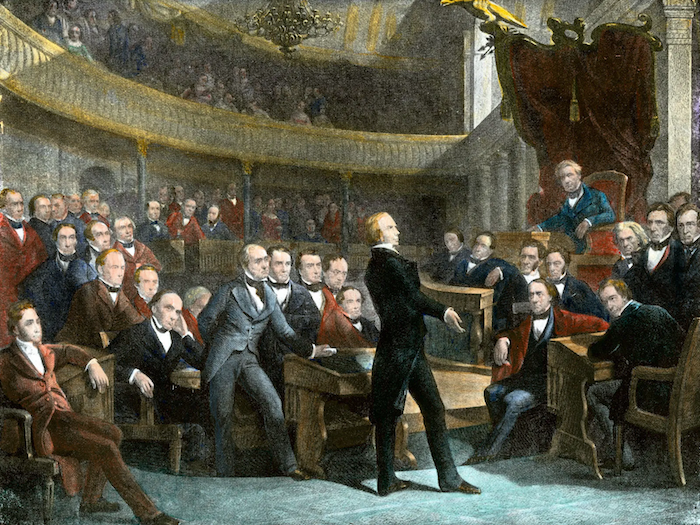
Henry Clay Presenting the Compromise of 1850 American System and National UnityClay was a strong advocate of the "American System," a set of policies designed to strengthen the economy and promote national unity. This plan included protective tariffs, a national bank, and federal funding for internal improvements like roads and canals. Though not all of his ideas were fully implemented, Clay’s vision helped lay the foundation for America's economic growth in the 19th century. Legacy and DeathHenry Clay ran for president several times but was never elected. Despite this, he remained one of the most influential politicians of his era. He was admired for his dedication to preserving the Union and avoiding civil war through negotiation and compromise. Clay died on June 29, 1852, in Washington, D.C. He is remembered as one of the most skilled and principled statesmen in American history. Discussion Topics
Henry Clay was born on April 12, 1777, in Hanover County, Virginia. He came from modest beginnings and studied law under the famous legal scholar George Wythe. Clay moved to Lexington, Kentucky, where he established a successful law practice and quickly became involved in local politics. His skill as a speaker and negotiator helped him rise rapidly in political circles. Political Career and the "Great Compromiser"Henry Clay served in various important government roles throughout his career. He was elected to the U.S. House of Representatives and served as Speaker of the House multiple times. He later served as a U.S. Senator and Secretary of State under President John Quincy Adams. Clay was known as the "Great Compromiser" for his role in brokering key agreements like the Missouri Compromise of 1820 and the Compromise of 1850, both of which aimed to ease tensions between free and slave states. American System and National UnityClay was a strong advocate of the "American System," a set of policies designed to strengthen the economy and promote national unity. This plan included protective tariffs, a national bank, and federal funding for internal improvements like roads and canals. Though not all of his ideas were fully implemented, Clay’s vision helped lay the foundation for America's economic growth in the 19th century. Legacy and DeathHenry Clay ran for president several times but was never elected. Despite this, he remained one of the most influential politicians of his era. He was admired for his dedication to preserving the Union and avoiding civil war through negotiation and compromise. Clay died on June 29, 1852, in Washington, D.C. He is remembered as one of the most skilled and principled statesmen in American history. |
| Henry Clay Activities |