The History of Tobacco |
|
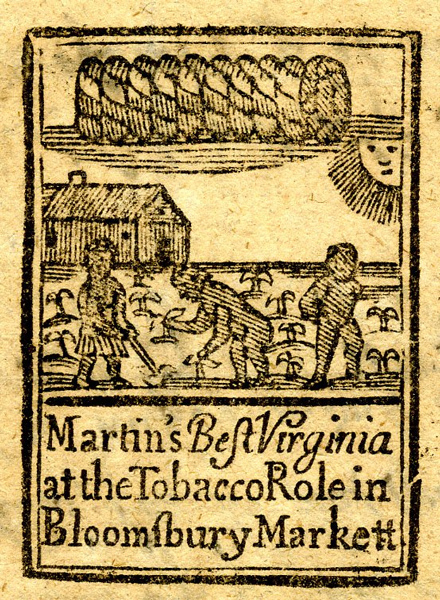
Tobacco was one of the most important crops in colonial America; it was the main reason that Jamestown and North Carolina remained viable in the 1600s and 1700s. Effects of the Virginia Tobacco CropThe American tobacco industry was started by John Rolfe, the eventual husband of Pocahontas. Rolfe brought tobacco seeds to Jamestown from the Caribbean island of Trinidad. In 1612, he harvested his first tobacco crop, which was well-received in England, and which, became the colony's cash crop! Rolfe's tobacco was said to taste milder and less bitter than previous tobaccos. As Jamestown tobacco became more popular in England, more tobacco plantations were planted in Jamestown and surrounding areas. Tobacco became so important, that it was used as currency, to pay taxes, and even to purchase slaves and indentured servants. Because of its burgeoning tobacco industry, African slaves were brought to Jamestown in 1619 to work the plantations. Others worked as indentured servants. Indentured servants came to America to work for seven years. After seven years, they were free to pursue their own interests and were sometimes given parcels of land. Soon, tobacco crops covered most of southeastern Virginia and eastern North Carolina. This led to competition, falling prices, and harsher treatment of slaves and servants. Tobacco CultureThose who planted tobacco considered it a form of art and a distinct tobacco culture formed. Planters took great pride in the quality of their tobacco and even developed their own unique seals and signatures to identify their brands. The reputation of each planter was tied to the quality of his product, and those who produced what was considered high-quality tobacco were held in high esteem by those in the community, and often gained political authority and social esteem. Successful planters would often flaunt their prosperity by importing expensive clothing and furniture from England. Discussion Questions
Glossary
The Importance of TobaccoTobacco was one of the most important crops in colonial America. It helped make Jamestown and North Carolina successful in the 1600s and 1700s. John Rolfe and the First CropJohn Rolfe started the American tobacco industry. He brought tobacco seeds from the Caribbean to Jamestown. In 1612, he grew his first crop, which became very popular in England. Tobacco Becomes a Cash CropRolfe’s tobacco tasted better than other kinds. As it became more popular, people grew more of it. Tobacco was used like money—to pay taxes and even buy slaves or servants. Labor and SlaveryIn 1619, African slaves were brought to Jamestown to work on tobacco plantations. Indentured servants also worked the fields. They agreed to work for seven years in exchange for a trip to America and sometimes land afterward. Tobacco CultureGrowing tobacco became a source of pride. Planters made their own special marks to show off their product. The best growers became respected and powerful in their communities, showing off their wealth with goods from England. |
| History of Tobacco Activities |